Cookie Regular Embroidery Font: The Ultimate Guide to Adding Modern Elegance to Your Projects
In the ever-evolving world of creative design and personalization, finding the perfect balance between modern aesthetics and traditional craftsmanship can be a challenge. This is where digital tools meet tangible artistry. For hobbyists, professional designers, and small business owners alike, the Cookie Regular Embroidery Font has emerged as a standout choice for those looking to add a stylish and modern flair to their embroidery projects. Whether you are personalizing a high-end leather bag, creating custom monograms for a boutique wedding, or adding decorative details to home décor, this sleek script font offers the versatility and elegance needed to elevate any design.
Understanding the Cookie Regular Script Style
Embroidery fonts come in many varieties, from rigid block letters that mimic pixelated screens to intricate floral scripts that require advanced digitizing skills. The Cookie Regular font occupies a unique space in this landscape. It is designed with a flowing script aesthetic that mimics the look of hand-lettering while maintaining the precision required for machine embroidery. The name itself suggests a playful yet sophisticated vibe, reminiscent of the smooth, rounded shapes often found in artisanal baking or modern calligraphy.
The significance of choosing a script font like Cookie lies in its ability to convey personality. Unlike standard sans-serif or serif fonts which can feel corporate or utilitarian, a script font adds an immediate sense of warmth and charm. It transforms a plain piece of fabric into a personalized statement. When used for monograms, it acts as a signature; when used for quotes, it becomes a poetic expression. This font is particularly effective because it bridges the gap between digital design and textile art, ensuring that the final stitched product looks intentional and polished rather than merely functional.
Why Choose This Font for Your Business?
For entrepreneurs in the custom apparel and gift industry, the visual appeal of the finished product is paramount. Customers today expect a level of sophistication even in casual items. By incorporating the Cookie Regular font, businesses can justify premium pricing on personalized goods. A simple t-shirt becomes a luxury item when adorned with a high-quality, flowing script logo. Similarly, home décor items like throw pillows or wall hangings gain a touch of class that appeals to interior design enthusiasts.
The font's versatility extends beyond just clothing. Imagine a set of matching kitchen towels featuring the phrase "Family First" in this elegant script, or a baby blanket with a name stitched in soft curves. The flowing nature of the design allows it to fit seamlessly around other elements, such as images or borders, making it a powerful tool for comprehensive design layouts.
Technical Specifications: Sizes and Dimensions
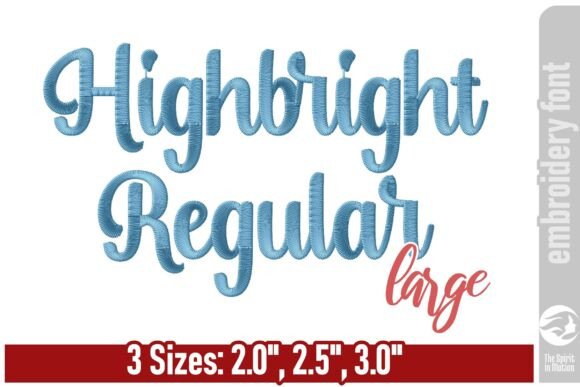
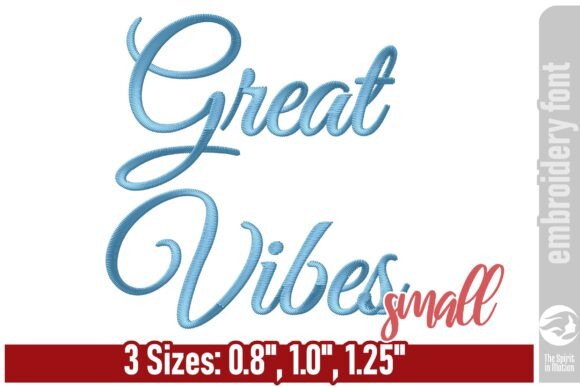
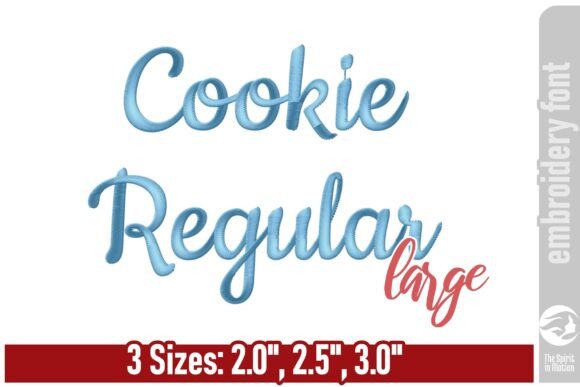
One of the most critical aspects of using embroidery files is understanding the technical specifications provided by the designer. With the Cookie Regular Embroidery Font, clarity regarding dimensions is essential to ensure your project turns out exactly as envisioned. The file is optimized for various scales, offering three distinct sizes based on the approximate height of uppercase letters:
- 2.0 Inches: Ideal for smaller accents, such as chest logos on polo shirts, tags on accessories, or small details on hats.
- 2.5 Inches: A versatile mid-range size perfect for full names on jackets, medium-sized monograms, or phrases on tote bags.
- 3.0 Inches: Best for bold statements, large back prints on hoodies, or prominent features on home décor items like curtains or large cushions.
It is important to note that these measurements refer to the height of the uppercase letter "A". While this provides a reliable baseline for planning your layout, adjustments may be necessary depending on your specific project requirements and the settings of your embroidery machine. Different fabrics react differently to stitch density, and the type of stabilizer used can also impact the final appearance. Therefore, always consider the context of the material you are working with before finalizing your design.
Decoding the Stitch Data
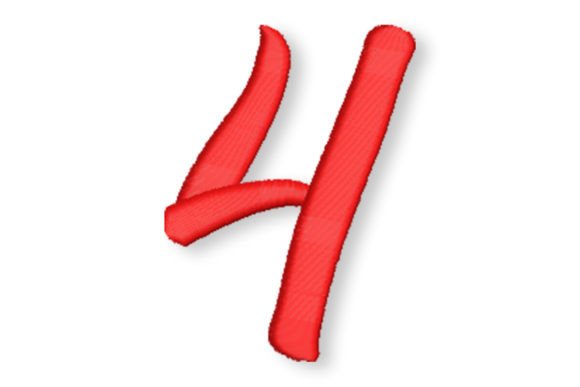
When downloading embroidery fonts, users are often presented with data tables containing stitch counts and dimensions. In the case of the Cookie Regular set, the information provided serves as a summary for the characters "A" and "a" across each of the three available sizes. This data is crucial for estimating thread usage and hoop placement.
However, a common misunderstanding among beginners is assuming that the data for a single character applies uniformly to all 259 characters in the set without variation. Every letter in a script font has unique curves, loops, and angles, meaning the stitch count will fluctuate significantly between a narrow "i" and a wide "m". To get the full picture, users should utilize the detailed documentation provided with the download. By clicking on the More Sewing Info PDF button located on the product page, you can access comprehensive dimension details for every single character in the set. This resource ensures that you have precise data for accurate scaling and spacing, preventing issues like overcrowding or misalignment during the stitching process.
Practical Applications in Modern Life and Creativity
The application of specialized fonts like Cookie Regular extends far beyond simple decoration. In the realm of education, teachers might use these files to create personalized certificates or classroom labels that engage students with a friendly, approachable aesthetic. In the field of therapy and wellness, embroidery is increasingly used as a mindfulness activity, and having a font that is easy to read but visually pleasing can enhance the therapeutic experience.
Furthermore, in the digital age, the tactile nature of embroidery offers a counterbalance to screen-based life. People crave physical objects that bear the mark of human effort. A shirt embroidered with a custom quote in the Cookie font feels more authentic and meaningful than one printed with ink. This trend is driving a resurgence in DIY culture, where individuals are learning to digitize and stitch their own designs at home.
Tips for Successful Embroidery with Script Fonts
To achieve the best results with the Cookie Regular font, consider the following best practices:
- Select the Right Stabilizer: Script fonts often involve long, continuous stitches. Using a cut-away stabilizer is recommended for stretchy fabrics to prevent puckering and maintain the integrity of the letter shapes.
- Test Before You Commit: Always run a test stitch on a scrap piece of the same fabric you plan to use. Check the tension and ensure the thread color contrasts well with the background material.
- Optimize Thread Choice: Because the font is a script, it benefits from threads with a slight sheen, such as polyester or rayon, which highlight the curves and flow of the letters.
- Review the Full Character Set: Do not rely solely on the "A" and "a" stats. Use the detailed PDF to understand how specific combinations of letters might affect spacing, especially if you are designing complex words or sentences.
Conclusion: Elevating Your Craft with Precision and Style
The Cookie Regular Embroidery Font represents more than just a collection of digital files; it is a bridge between creativity and execution. Its sleek script design, combined with flexible sizing options and detailed technical support, makes it an invaluable asset for anyone involved in textile arts. Whether you are a seasoned embroiderer looking to expand your library or a beginner eager to start your first personalized project, this font provides the tools necessary to create work that is both elegant and charming.
By taking the time to understand the dimensions, utilizing the available resources like the sewing info PDF, and applying thoughtful design principles, you can transform ordinary materials into extraordinary keepsakes. As we continue to value handmade goods and personalized touches in our daily lives, fonts like Cookie Regular play a vital role in preserving the art of embroidery while keeping it relevant and exciting for modern creators. Embrace the flow of the script, trust the data, and let your imagination stitch the future of your projects.