Altus Moritile: The Ultimate Guide to a Bold, Retro-Inspired Display Typeface Family
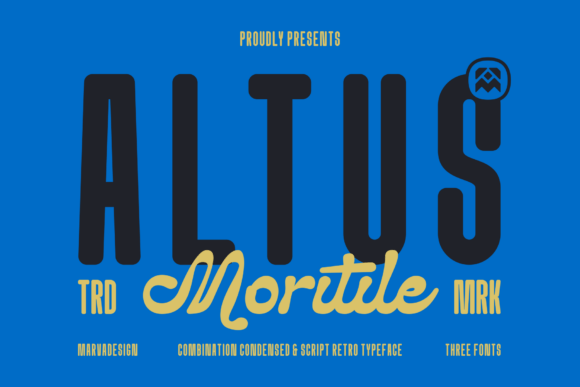
In the crowded landscape of digital design, finding a typeface that commands attention without sacrificing sophistication is a constant challenge. Designers often struggle to balance the need for immediate visual impact with the requirement for warmth and approachability. This is where Altus Moritile steps in as a definitive solution. It is not merely another font; it is a bold, retro-inspired display typeface family that masterfully combines condensed strength with expressive elegance. By offering three cohesive styles—Regular, Rounded, and Script—it provides a versatile toolkit for creating dynamic compositions that resonate with modern audiences while paying homage to vintage aesthetics.
The Power of Condensed Strength in Regular Style
At the heart of the Altus Moritile family lies the Regular style, a typographic powerhouse designed for those moments when space is limited but presence is paramount. The letterforms are tall and condensed, featuring solid stroke weights and confident vertical proportions. This structural integrity delivers a strong, structured, and impactful presence that is ideal for headlines, branding, and large-scale displays.
When you use Altus Moritile Regular, you are choosing a font that speaks with authority. Its condensed nature allows for longer headlines to fit into tight spaces without losing legibility or visual weight. Whether you are designing a magazine cover, a concert poster, or a website hero section, the Regular style ensures your message cuts through the noise. The solid strokes give it a robust character that feels grounded and reliable, making it a perfect choice for industries like automotive, construction, or high-end fashion where confidence is key.
However, strength does not have to mean rigidity. The Regular style maintains a level of elegance in its curves and terminals that prevents it from feeling blocky or harsh. It is a balanced approach to display typography, proving that you can be both imposing and refined simultaneously.
Softening the Edges with Rounded Condensed
While the Regular style offers raw power, the Rounded Condensed variant of Altus Moritile introduces a necessary shift in tone. This style maintains the same condensed foundation that makes the family so efficient, but it softens the corners and terminals significantly. The result is a warmer, friendlier, and more approachable aesthetic that does not sacrifice visual power.
In modern web design and user interface (UI) projects, there is often a demand for fonts that feel inviting rather than intimidating. The Rounded Condensed style bridges this gap perfectly. Imagine a lifestyle brand looking to convey comfort and community; the rounded edges of Altus Moritile Rounded create an instant sense of accessibility. It is particularly effective for packaging design, where a friendly face on the label can influence purchasing decisions, or for children's products where safety and warmth are primary concerns.
This style demonstrates how subtle geometric adjustments can completely alter the emotional response of a viewer. By rounding off the sharp angles, designers can humanize their content without losing the structural benefits of the condensed format. It is a testament to the versatility of the Altus Moritile family that one base structure can support such distinct emotional ranges.
Bridging Eras with the Script Style
To complete the triad, the Script style introduces flowing cursive forms with smooth curves and subtle stroke modulation. This addition brings a handcrafted, vintage charm that elevates logos, taglines, and accent typography to new heights. In an era dominated by clean, minimalist sans-serifs, the Script style of Altus Moritile offers a refreshing alternative that feels personal and artisanal.
The script is not a chaotic mess of flourishes; it is carefully engineered to remain legible even at smaller sizes while retaining the fluidity of handwriting. When paired with the Regular or Rounded styles, it creates a harmonious contrast that draws the eye. For instance, using Altus Moritile Script for a signature tagline on a coffee shop menu, while keeping the item names in the Regular style, creates a sophisticated hierarchy that guides the reader naturally.
This style is particularly popular in the hospitality and event planning sectors. A wedding invitation suite or a boutique hotel logo benefits immensely from the vintage charm of the Altus Moritile Script. It evokes a sense of tradition and care, suggesting that the brand values craftsmanship and attention to detail.
A Unified System for Modern Workflows
One of the most significant advantages of Altus Moritile is that these three distinct styles form a versatile and harmonious system. Designers rarely work with isolated fonts; they need a cohesive typographic identity that can adapt across various media. With Altus Moritile, you get a unified voice that allows for dynamic compositions balancing boldness, warmth, and elegance.
This cohesion simplifies the design process. Instead of searching for a compatible script to pair with a display font, you already have the perfect match within the family. This reduces the cognitive load on the designer and ensures that the final output feels intentional and polished. Whether you are working on a multi-page brochure, a responsive website, or a comprehensive brand guideline, the ability to switch between Regular, Rounded, and Script while maintaining visual consistency is invaluable.
- Brand Consistency: Use the Regular style for main headers, Rounded for subheadings to soften the tone, and Script for special accents or quotes.
- Responsive Adaptation: The condensed nature of all three styles makes them highly adaptable for mobile screens where horizontal space is at a premium.
- Voice Modulation: Easily shift the brand voice from authoritative to friendly to elegant just by changing the style within the same family.
Technical Specifications and File Formats
For professionals who prioritize workflow efficiency and cross-platform compatibility, the technical offerings of Altus Moritile are impressive. The family is available in multiple formats including OTF, TTF, WOFF, and WOFF2. This ensures that whether you are embedding the font directly into a website for optimal performance or using it in desktop publishing software, the experience is seamless.
The inclusion of WOFF and WOFF2 is particularly crucial for web developers. These compressed formats reduce file size, leading to faster page load times—a critical factor for SEO and user retention. Furthermore, the font supports uppercase and lowercase characters, ensuring full typographic control over your text.
Additionally, the availability of multilingual support expands the potential reach of any project. If you are creating content for a global audience, having a font that supports various languages without breaking the visual rhythm is essential. The inclusion of alternatives adds another layer of customization, allowing for unique variations in letterforms that can prevent monotony in long texts or add specific stylistic flair to headings.
Practical Considerations for Adoption
Before integrating Altus Moritile into your next project, consider the context in which it will live. Because it is a display typeface, it is best used for short bursts of text rather than body copy. Its strength lies in its ability to grab attention quickly. Overusing it in paragraphs can lead to visual fatigue and reduced readability.
However, when used correctly, it transforms the reading experience. It breaks up walls of text and creates visual interest. Think about how you currently structure your layouts. Are you missing a "hero" element? Do your headlines feel too generic? Replacing a standard sans-serif with Altus Moritile could be the catalyst your design needs.
Furthermore, the retro inspiration of the font requires a certain level of contextual awareness. While it fits well with vintage themes, it also works surprisingly well in contemporary settings where a touch of nostalgia is desired. The key is to let the font breathe. Give it ample white space and avoid cluttering it with competing visual elements.
Conclusion
Altus Moritile represents a thoughtful evolution of display typography. It respects the past while embracing the demands of the present. By combining the structural rigor of the Regular style, the warmth of the Rounded Condensed, and the artistic flair of the Script, it offers a comprehensive solution for designers seeking to make a statement. Whether you are building a brand identity from scratch or refreshing an existing one, this family provides the tools to create something memorable, functional, and beautiful.