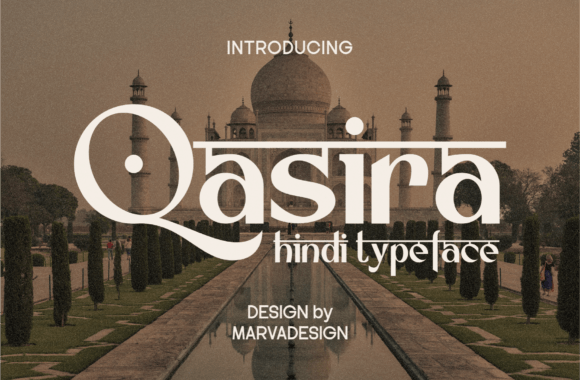
Qasira: The Bridge Between Hindi Tradition and Modern Design
In the rapidly evolving landscape of digital communication, language is more than just a tool for conveying information; it is a vessel for culture, identity, and aesthetic expression. For decades, designers working with Hindi text faced a significant dilemma: how to maintain the cultural integrity of the Devanagari script while meeting the demands of contemporary visual standards. Traditional typefaces often felt either too rigid for modern interfaces or lacked the distinct character needed for high-end print media. Enter Qasira, a font that has emerged as a compelling solution by blending classic Hindi script with a modern twist.
This isn't merely about swapping one set of characters for another. Qasira represents a shift in how we perceive vernacular typography in the 21st century. It addresses the growing need for designs that are not only legible on small mobile screens but also carry an emotional resonance that feels both familiar and fresh. As professionals, creators, and business owners increasingly recognize the importance of localized content, the demand for sophisticated Hindi typography has never been higher. Qasira steps into this gap, offering a style that is easy to read yet undeniably stylish.
The Evolution of Hindi Typography in Digital Spaces
To understand why Qasira is gaining traction, one must look at the trajectory of Hindi web design over the last decade. Early iterations of digital Hindi were often constrained by limited character sets and basic rendering engines. The result was text that was functional but visually unappealing, often failing to capture the nuance of the spoken language. As internet penetration surged across India and the global diaspora, the expectation for user experience (UX) shifted. Users began demanding interfaces that looked as polished in Hindi as they did in English.
This shift forced a reevaluation of typographic choices. The "one-size-fits-all" approach no longer worked. Brands realized that using generic fonts for Hindi content could alienate their core audience or make a brand appear outdated. There was a clear market preference for typefaces that respected the traditional strokes of Devanagari—such as the distinctive headstroke (shirorekha) and the rounded curves of letters like 'ka' and 'cha'—while adapting them for the clarity required by pixelated displays.
Qasira fits perfectly into this evolutionary timeline. It acknowledges the heritage of the script without being bound by its historical limitations. By refining the weight distribution and adjusting the spacing between characters, Qasira ensures that Hindi text remains crisp even at smaller sizes. This evolution reflects a broader trend where technology and tradition are not seen as opposing forces but as complementary elements that can coexist to create superior design outcomes.
Balancing Readability and Style
The core challenge in designing any typeface is balancing aesthetics with functionality. A font might be beautiful, but if it strains the reader's eye after a few paragraphs, it fails its primary purpose. Conversely, a highly readable font might lack the personality needed for branding. Qasira manages to walk this tightrope effectively. Its design philosophy centers on creating a harmonious rhythm for the eye, making long-form content feel inviting rather than daunting.
For bloggers and educators who produce substantial amounts of text, this balance is critical. When reading educational materials or news articles in Hindi, the cognitive load should be on understanding the content, not deciphering the letterforms. Qasira achieves this through optimized x-heights and open counters (the enclosed spaces within letters), which prevent ink trapping and ensure clarity. At the same time, it retains a subtle flair in its terminals and ligatures that adds a layer of sophistication often missing in standard system fonts.
Practical Implication: When selecting a font for a project, consider the duration of engagement. If your users will be reading deeply, prioritize readability first. Qasira offers a rare combination where style does not compromise utility, making it a safe choice for diverse content types ranging from social media captions to full-length reports.
Why Qasira Matters for Modern Professionals and Creators
The relevance of Qasira extends beyond mere aesthetics; it speaks to the changing habits of the modern workforce and the creative industry. In today's remote-first economy, freelancers and entrepreneurs are constantly producing content for multiple platforms. A marketing manager might need to design a flyer, update a website, and create a presentation deck all in a single day. Each medium has different requirements, yet the brand voice must remain consistent.
Using a versatile font like Qasira simplifies this workflow. Because it blends classic and modern elements, it adapts well to various contexts. It can anchor a corporate report with a sense of authority while equally well-suited for a trendy Instagram story promoting a new product launch. This versatility reduces the friction of switching between typefaces, allowing creators to focus more on the message and less on the mechanics of layout.
Furthermore, the rise of video content and short-form media has intensified the need for text that grabs attention quickly. In a feed filled with images and videos, text overlays must be instantly legible. Qasira's modern twist ensures that headlines stand out without looking jarring. The clean lines and balanced proportions allow the text to integrate seamlessly with graphic elements, whether it's a minimalist logo or a complex infographic.
For businesses targeting the Indian market, the use of Qasira signals a commitment to quality and cultural awareness. It shows that the brand understands its audience's linguistic nuances and values a premium user experience. This level of attention to detail builds trust. In a crowded marketplace, such subtleties can be the differentiating factor that turns a casual viewer into a loyal customer.
Adapting to Changing User Expectations
User expectations regarding digital content are shifting towards personalization and immersion. People want experiences that feel tailored to their preferences, including their language. Generic translations often fail to resonate because they lack the right visual tone. Qasira helps bridge this gap by providing a visual identity that feels native to the Hindi-speaking demographic.
This adaptation is crucial for e-commerce platforms, fintech apps, and educational portals. Consider an online learning platform teaching Hindi grammar or history. The interface needs to be engaging enough to keep students interested. A font that feels too stiff or archaic might discourage younger learners, while one that looks too informal might undermine the credibility of the institution. Qasira strikes the perfect middle ground, offering a professional yet approachable look that encourages continued engagement.
Moreover, the trend towards inclusive design emphasizes the importance of accessibility. Good typography aids those with visual impairments or dyslexia. By ensuring high contrast and clear differentiation between similar characters, Qasira contributes to a more accessible digital environment. This aligns with global standards for web accessibility, making it a forward-thinking choice for developers and designers who prioritize inclusivity.
Practical Applications Across Industries
The utility of Qasira is evident across a wide spectrum of industries. In the realm of publishing, editors and designers are increasingly opting for fonts that reduce eye strain during long reading sessions. Qasira's comfortable line height and character width make it ideal for novels, magazines, and digital newspapers. The modern touch it brings prevents the text from feeling monotonous, adding a layer of visual interest that keeps readers turning pages.
In the fashion and lifestyle sectors, visual storytelling is paramount. Brands often use typography as a key element of their identity. A clothing label launching a collection inspired by Indian heritage might use Qasira to honor its roots while appealing to a global, contemporary audience. The font's ability to blend tradition with modernity makes it a powerful tool for brands navigating the intersection of cultural pride and global trends.
Even in the technical sector, where clarity is king, Qasira finds its place. Software localization teams are always searching for fonts that render accurately across different operating systems and devices. Qasira's robust character set ensures that special characters and complex conjuncts display correctly, preventing the broken text issues that plague many older fonts. This reliability is essential for maintaining a professional image in software interfaces and documentation.
Ultimately, the decision to use Qasira is a strategic one. It reflects an understanding that design is not just about decoration; it is about communication. By choosing a font that respects the past while embracing the future, creators and businesses can craft messages that resonate deeper with their audiences. Whether you are a freelancer designing a portfolio, a marketer running a campaign, or an educator building a curriculum, Qasira offers the flexibility and elegance needed to succeed in a competitive digital world.
As we move further into an era defined by rapid technological advancement and cultural exchange, the role of typography becomes even more critical. Fonts like Qasira remind us that innovation does not require abandoning our roots. Instead, it involves reimagining them for new contexts. By integrating Qasira into your next project, you are not just selecting a typeface; you are making a statement about the value of clarity, beauty, and cultural continuity in your work.